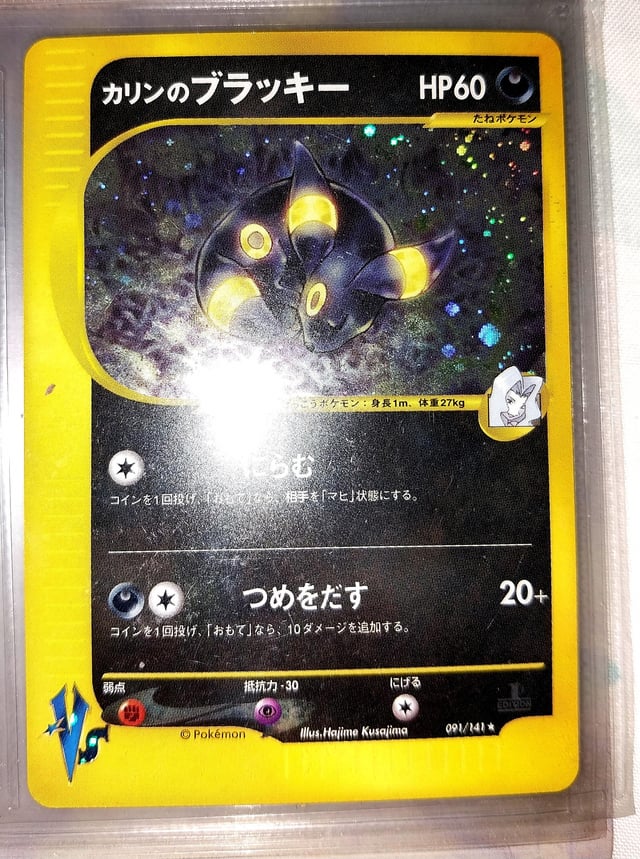
The Thrill of the Chase: Navigating Today's Valuable Pokemon Card Market
The world of Pokémon Trading Card Game (TCG) is a vibrant, ever-evolving ecosystem where childhood nostalgia meets serious investment. From the iconic roar of Charizard to the sleek mystique of Umbreon, certain Pokémon cards have transcended their humble origins to become highly coveted treasures, commanding jaw-dropping prices on the secondary market. If you've ever wondered which cards are truly worth a fortune or what makes some seemingly ordinary pieces of cardboard incredibly valuable, you're in the right place. The market for **valuable Pokemon cards** is more dynamic than ever, experiencing peaks and dips that can surprise even seasoned collectors.
Over the last few months, the Pokémon TCG singles market has been a roller coaster, with many cards skyrocketing to unprecedented values while others adjust. This article will delve into what drives these fluctuations, highlight some of today's most sought-after cards, and provide essential tips for anyone looking to identify and potentially acquire these precious collectibles.
Decoding the Unpredictable World of Valuable Pokemon Cards
Understanding what makes a Pokémon card valuable is complex, involving a delicate balance of factors that can shift rapidly. It’s not simply about age or the Pokémon featured; rather, it’s a confluence of elements like rarity, condition, demand, and historical significance. When assessing the true worth of a card, collectors and investors often turn to market data from reputable sources like TCGplayer and auction results from platforms like eBay, which provide a snapshot of current sales and trends for both raw (ungraded) and graded cards.
The perception of what constitutes a "valuable Pokemon card" is constantly evolving. While first-edition Base Set classics will always hold a special place, modern cards with incredibly low pull rates, unique artwork, or special holographic treatments can also achieve significant market prices. This fluidity means that staying informed and understanding the underlying drivers of value is crucial for anyone hoping to navigate this exciting market.
Top Contenders: Iconic & Valuable Pokemon Cards on the Rise
Let's explore some of the specific cards that are currently leading the charge in terms of market value, showcasing why they are considered the pinnacle of collecting.
Shining Charizard – Neo Destiny
It might not be the Base Set Charizard you instantly picture, but the
Shining Charizard from Neo Destiny stands as a titan in today's market. Often fetching upwards of $6,500 for ungraded copies in excellent condition, this card's appeal is multifaceted. As the first-ever "shining" variant of Charizard, it introduced a new level of rarity and visual flair, depicting the Pokémon in its rare color palette. The Neo Destiny set itself hails from a golden era of the Pokémon TCG, specifically featuring the beloved Johto Pokémon, arguably one of the franchise's most popular generations. Charizard’s enduring popularity as the franchise’s most recognizable and consistently valuable Pokémon, coupled with the innovation and scarcity of its first shining iteration, firmly cements its position as a truly **valuable Pokemon card**. Its unique status makes it a cornerstone for serious collectors.
Umbreon Star – POP Series 5
Often mentioned in hushed tones among collectors, the
Umbreon Star from POP Series 5 is a card of legendary rarity and value, frequently trading for around $3,900 to $4,000 in raw condition. This particular "Gold Star" variant should not be confused with the more accessible Gold Star Umbreon from the *Celebrations* set. The POP Series 5 Gold Star Umbreon’s scarcity stems from its origin as a prize pack exclusive. These packs were not available for general purchase in stores, making their contents, including this stunning Umbreon, incredibly difficult to obtain. Gold Star cards, in general, are highly coveted for their unique artwork and limited print runs, but Umbreon benefits from being arguably the most popular Eeveelution. Its sleek design, dark typing, and strong competitive history further amplify its desirability, making it an exceptionally **valuable Pokemon card**.
Rayquaza Star
Much like its Gold Star brethren, the
Rayquaza Star card commands significant attention and value, with market prices hovering around the $4,000 mark for ungraded versions. As a legendary Dragon/Flying-type Pokémon, Rayquaza has always been a fan favorite, known for its majestic design and immense power within the games and anime. The Gold Star designation elevates its collectibility significantly, placing it among the most sought-after cards from the mid-2000s era. The Gold Star cards, introduced in the EX Series, feature Pokémon with a unique gold star next to their name and distinct "shiny" color variations in their artwork, making them visually stunning and exceptionally rare pull from booster packs. For Rayquaza, an already iconic Pokémon, receiving the Gold Star treatment in a limited print run created a perfect storm for a highly **valuable Pokemon card** that continues to appreciate due to its beauty, rarity, and legendary status.
What Makes a Pokemon Card Truly Valuable? Beyond the Price Tag
While specific cards like Shining Charizard and Umbreon Star dominate headlines, understanding the underlying principles that drive their value is crucial for any collector. These factors apply universally to identifying any potentially **valuable Pokemon card**.
- Condition is King: The state of a card is perhaps the single most important determinant of its value. Cards are graded on a scale, typically 1 to 10 (with 10 being 'Gem Mint' or 'Pristine'), by professional grading services like PSA, Beckett (BGS), and CGC. A card that is impeccably centered, has sharp corners, no surface wear, and no print defects will fetch exponentially more than an otherwise identical card with minor imperfections.
- Rarity and Scarcity: This is a fundamental economic principle. The fewer copies of a card that exist, the more valuable each copy becomes, assuming there's demand. This includes limited print runs, promotional cards, error cards, secret rare cards with extremely low pull rates, and cards exclusive to specific events or regions.
- Age vs. Modern Appeal: While vintage cards from the 90s (like Base Set or Jungle) hold historical significance, modern sets frequently produce ultra-rare cards that can quickly become highly valuable due to their incredibly low pull rates, unique full-art designs, or special texture foils. Value isn't solely tied to age; it's also about contemporary scarcity and desirability.
- Popularity of the Pokémon: Some Pokémon simply resonate more with collectors. Charizard, Pikachu, the Eeveelutions (especially Umbreon, Espeon, and Sylveon), and iconic legendaries like Rayquaza or Lugia consistently draw higher prices simply because of their immense fanbases.
- Historical and Sentimental Significance: First appearances, cards tied to pivotal moments in the TCG's competitive history, or those with iconic artwork that define an era can also command premium prices, tapping into collectors' nostalgia and appreciation for the game's legacy.
For a deeper dive into these crucial elements, check out our comprehensive guide:
Identify Valuable Pokemon Cards: Factors Driving Their High Prices.
Tips for Aspiring Collectors: Hunting for Valuable Pokemon Cards
Embarking on the quest for **valuable Pokemon cards** can be incredibly rewarding. Here are some actionable tips to help you navigate the market and protect your investments:
- Do Your Research: Before buying or selling, always check recent sales data. Websites like TCGplayer, eBay (filter by "Sold Items"), and dedicated Pokémon card price aggregators are invaluable resources. Understand the current market value for both raw and graded versions of the card you’re interested in.
- Focus on Condition: If you’re buying raw cards with the intention of grading, scrutinize every detail. Use high-resolution photos, ask for close-ups, and understand common flaws. Even a tiny speck or micro-scratch can drop a grade significantly.
- Protect Your Assets: All valuable cards, even if ungraded, should be immediately placed in a penny sleeve and then a rigid top-loader or semi-rigid card saver. For long-term storage, acid-free binders or display cases are essential to prevent damage from light, moisture, and handling.
- Understand Market Volatility: The Pokémon card market is not static. Prices can fluctuate based on new set releases, Pokémon anniversary events, economic trends, and even influencer hype. Be prepared for peaks and dips, and make informed decisions rather than impulsive ones.
- Consider Professional Grading: For truly valuable cards or those you believe have high potential, professional grading is almost always recommended. It authenticates the card, assesses its condition objectively, and often significantly increases its market value and liquidity.
To stay ahead of the curve and identify emerging trends among top-tier collectibles, explore our insights on
Top Pokemon Cards: 2025's Most Valuable & Why They Soar.
The journey of collecting **valuable Pokemon cards** is a blend of passion, strategy, and a little bit of luck. Whether you're chasing the next six-figure Charizard or simply enjoying the thrill of finding a rare gem, understanding the market dynamics and the factors that drive value will undoubtedly enhance your collecting experience. The landscape is ever-changing, but the excitement of uncovering a true treasure remains constant. Happy hunting!